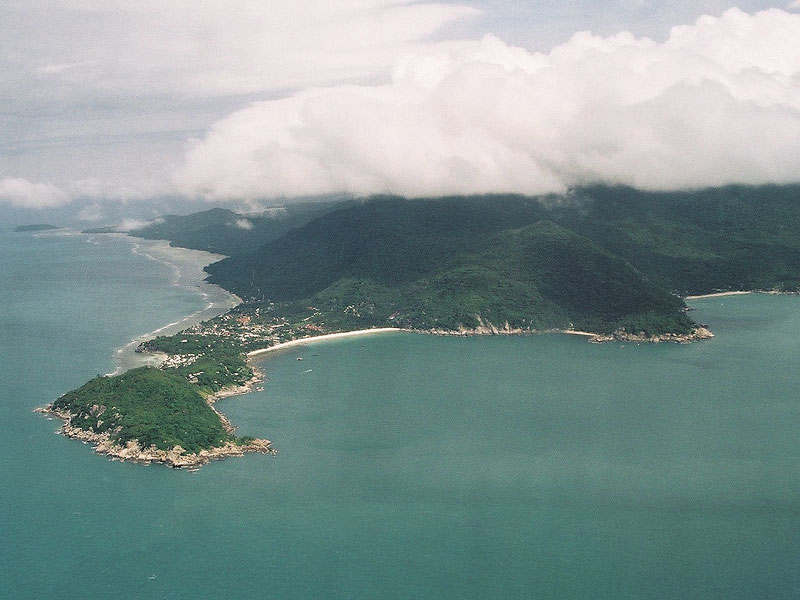
Safety · Koh Phangan
Koh Phangan Safety: What Travelers Should Know
Koh Phangan is a popular island destination in southern Thailand known for its beach culture and nightlife. Like most tourist areas in Thailand, petty crime exists but serious violent crime affecting tourists is uncommon. The island experiences seasonal variation in visitor density, with peak party tourism during certain months drawing larger crowds and corresponding increases in opportunistic theft. Thai authorities and international travel advisories rate Thailand as generally safe for tourists, though standard precautions apply. This guide covers the specific safety considerations visitors should be aware of, from transport logistics to common scams, so you can travel with accurate expectations rather than unfounded concerns or complacency.
Petty Crime and Theft
Petty theft on Koh Phangan typically involves bag snatching, pickpocketing, and theft from accommodation. Most incidents occur in crowded areas, night markets, and beach zones, particularly during peak tourist seasons. Motorbike theft and break-ins to rental bungalows represent the most common property crimes. Violent crime against tourists is rare, though occasional fights occur in late-night bar districts, usually involving alcohol. Keep valuables in hotel safes, avoid displaying expensive jewelry or electronics, and use bag locks on shared transport. Beach theft during swimming is documented but preventable by leaving belongings with a trusted person or using waterproof bags. Reporting theft to local police is possible but time-consuming; contact your embassy if theft involves significant loss.
- Most targeted items
- Cash, phones, cameras, passports
- Peak theft periods
- Night hours, crowded venues, party season
- Accommodation risk level
- Low to moderate with basic precautions
Common Scams and Tourist Traps
Drink spiking and overcharging occur in some bars and clubs, particularly those targeting intoxicated tourists. Gem and jewelry scams are less common on Koh Phangan than on mainland Thailand but still reported. Motorbike rental disputes arise from alleged damage claims; photograph vehicles before renting and clarify terms in writing. Unofficial taxis or private drivers may overcharge; use metered taxis or ride-sharing apps when available, or agree on fares beforehand. Travel package scams occasionally surface; book through established agencies with verifiable reviews. Some vendors misrepresent the quality or ingredients of food and beverages; eat at busy, well-reviewed establishments if concerned about food safety.
- High-risk venues
- Unlicensed bars, unregistered tour operators
- Payment disputes
- Motorbike rentals, boat excursions, bar tabs
- Prevention method
- Confirm prices and terms in writing before services
Transport Safety
Motorbike rental is the primary transport method for independent travelers. Road conditions vary; some rural roads are potholed or poorly lit. Motorbike accidents are the leading cause of injury to tourists in Thailand, often involving speeding, alcohol, or unfamiliarity with left-hand driving. Helmet use is legally required but inconsistently enforced; wear one regardless. Boat transport between islands and to snorkeling sites is generally safe, though vessels are occasionally overloaded during peak season and safety equipment may be minimal. Ferries operate year-round but sea conditions worsen during monsoon season (approximately May to October), with increased cancellations and rough passages. Taxis and songthaews (shared minivans) are common; agree on fares or use metered services when available.
- Legal requirement
- Helmet mandatory on motorbikes; international license recommended
- High-risk behavior
- Riding under influence, speeding, night riding
- Dangerous season
- May–October monsoon; rough seas, reduced visibility
- Safest transport option
- Registered taxis, ride-sharing apps, organized tours
Food, Water, and Health Safety
Tap water on Koh Phangan is generally not recommended for drinking; use bottled water, which is widely available and inexpensive. Ice in beverages may be made from tap water; request ice from sealed bags if concerned. Street food is common and usually safe if prepared in front of you at busy stalls with high turnover. Restaurants serving tourists maintain reasonable hygiene standards, though standards vary. Foodborne illness can occur; avoid uncooked vegetables washed in tap water if you have a sensitive stomach. Dengue fever and other mosquito-borne illnesses are present but uncommon in travelers; use insect repellent during dawn and dusk. The island has clinics and a hospital; serious medical cases typically require evacuation to Surat Thani or Bangkok. Travel insurance with medical evacuation coverage is strongly recommended.
- Drinking water
- Bottled only; tap water not safe
- Medical facilities
- Clinics available; serious cases require mainland transfer
- Mosquito-borne risks
- Dengue, malaria (rare); use repellent at dawn/dusk
- Food safety tip
- Eat where locals eat; busy stalls have faster turnover
Neighborhoods and Local Context
Koh Phangan's main population centers include Had Rin (party beach district), Baan Tai, Thong Sala (main port), and Ban Khai. Had Rin is the focal point for nightlife and attracts the largest visitor concentration; petty crime and scams are most prevalent here, particularly during Full Moon Party and peak season. Thong Sala, the main pier area, sees higher density foot traffic and occasional aggressive solicitation from tour operators and taxi drivers. Quieter beaches and northern areas (Bottle Beach, Ao Nai) are safer and attract fewer crimes but offer fewer amenities. Personal safety in these neighborhoods is generally good; the hazards are petty theft and transport-related accidents rather than violent crime. Avoid isolated beach areas at night and be cautious of strangers offering unsolicited services or substances.
- Highest-risk zone
- Had Rin during Full Moon Party and peak season
- Safest areas
- Northern beaches, quieter resorts, established hotels
- Main safety concern
- Petty theft, transport accidents, not violent crime
- Reporting location
- Thong Sala police station; contact embassy if needed
Emergency Contacts and Official Guidance
Thailand's emergency number is 191 for police, 1669 for tourist police (English-speaking), and 1191 for ambulance. The British Foreign, Commonwealth and Development Office (FCDO) rates Thailand as generally safe for tourists but advises caution in certain contexts. The US State Department similarly rates Thailand as safe for travel with standard precautions. Travel insurance is essential; many policies exclude claims for activities like motorbike riding unless properly licensed. Koh Phangan has a police station in Thong Sala and several clinics and hospitals. The nearest major hospital is in Surat Thani on the mainland. Register with your embassy before traveling for assistance in emergencies. Keep copies of your passport separately from the original.
- Police (general)
- 191
- Tourist Police (English)
- 1669
- Ambulance
- 1191
- Reporting theft
- Local police station (Thong Sala); time-consuming process
Seasonal Considerations and Party Tourism
Koh Phangan's reputation is closely tied to Full Moon Party, a monthly beach gathering attracting thousands of visitors. Party periods see temporary spikes in theft, scams, and alcohol-related incidents. Monsoon season (May to October) brings rough seas, flooding in low-lying areas, and reduced tourist activity; many businesses close during this period. Shoulder seasons (April and October–November) offer moderate crowds and generally safer conditions. If attending Full Moon Party or other large gatherings, travel in groups, avoid excessive alcohol, keep valuables secure, and use established transport. Most visitors experience no safety incidents; awareness and standard precautions mitigate risk significantly.
- Full Moon Party timing
- Monthly, attracts 10,000–30,000+ visitors
- Crime increase period
- Peak party seasons and Full Moon events
- Safest travel season
- November to early April (dry season)
- Weather risk season
- May to October; storms, rough seas, flooding
Frequently asked
- Is Koh Phangan safe to visit alone?
- Yes, solo travel to Koh Phangan is generally safe, though standard precautions apply. Avoid isolated areas at night, keep valuables secure, use registered transport, and stay aware of your surroundings. Many solo travelers visit annually without incident. Join group tours or hostels if you prefer social company and added security.
- What should I do if I'm robbed or experience theft?
- Report the incident to the police station in Thong Sala or contact the tourist police at 1669 (English-speaking). File a report for insurance purposes, but recovery is unlikely. Contact your embassy if your passport is stolen. Keep copies of important documents separately to facilitate replacement.
- Is it safe to ride a motorbike on Koh Phangan?
- Motorbike rental is common but carries accident risk. Wear a helmet, don't ride under the influence, avoid night riding, and drive on the left side of the road. Roads vary in quality; be cautious on rural or poorly lit routes. International driving permits are recommended though enforcement is inconsistent.
- Can I drink tap water on Koh Phangan?
- No, tap water is not recommended for drinking. Use bottled water, which is inexpensive and widely available at shops and hotels. Avoid ice made from tap water unless it comes from sealed bags. Street food is generally safe if prepared in front of you at busy, popular stalls.
- What's the safest area to stay on Koh Phangan?
- Quieter, established resort areas offer better security than isolated bungalows. Avoid staying alone in remote beach huts. Thong Sala and northern beaches are relatively safe; Had Rin is busy and lively but sees more petty crime. Choose hotels with safes and good reviews rather than budget-only criteria.
- Is the Full Moon Party safe to attend?
- The Full Moon Party is widely attended and generally safe with precautions. Avoid excessive alcohol, travel in groups, keep valuables in a hotel safe, and use registered transport. Peak-season gatherings see temporary increases in petty theft and occasional confrontations; awareness and planning reduce risk significantly.
Quick facts
- Petty theft on Koh Phangan typically targets cash, phones, and cameras in crowded areas and night venues.
- Motorbike accidents are the leading cause of tourist injury in Thailand, often involving speeding or alcohol.
- Tap water on Koh Phangan is not safe for drinking; bottled water is inexpensive and widely available.
- Koh Phangan experiences monsoon season from May to October, with rough seas and reduced transport reliability.
- The tourist police emergency number in Thailand is 1669 and offers English-language assistance.
- Full Moon Party events attract 10,000 to 30,000 visitors monthly and see temporary increases in petty crime.
- Had Rin beach experiences higher petty crime rates during peak tourist season and party events.
- Dengue fever is present on the island but uncommon in tourists; insect repellent is recommended at dawn and dusk.
- The British FCDO and US State Department rate Thailand as generally safe for tourists with standard precautions.
- Motorbike rental disputes commonly arise over alleged vehicle damage; photograph rentals and confirm terms in writing.
Travel insurance
Partner link — supports this site, no extra cost
Subscription-style nomad insurance for travelers — cancel anytime, $1.50/day baseline, covers most SEA itineraries.