Neighborhoods · Gili Trawangan
Neighborhoods in Gili Trawangan
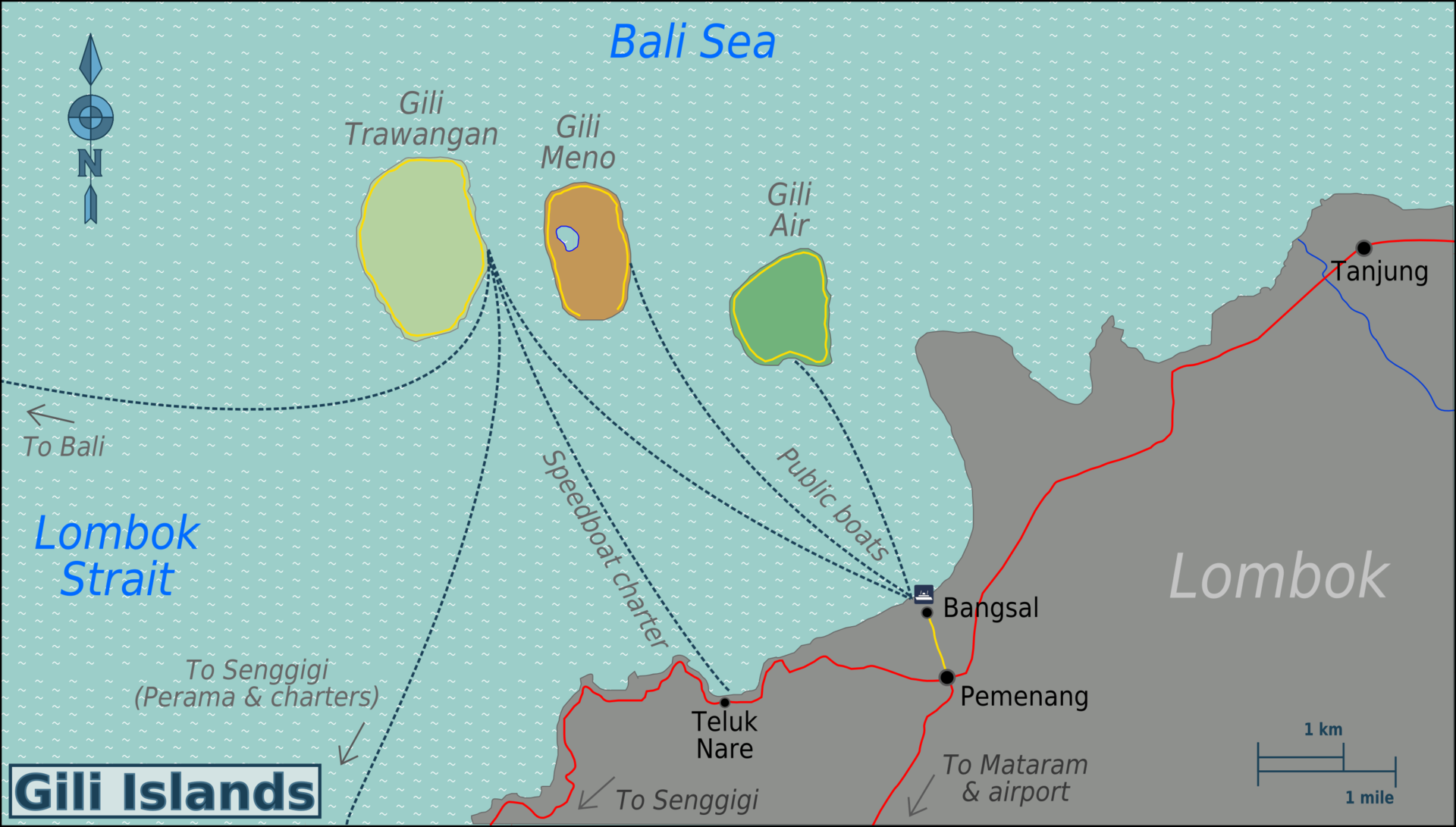
Gili Trawangan is a small island in the Gili archipelago off Lombok, with a population of approximately 1,500 residents. Despite its compact size—roughly 3.5 kilometers across—the island has distinct neighborhood character that shifts from lively beachfront to quieter residential areas. Most accommodation and dining clusters along the western and northwestern shores, where ferries arrive and nightlife concentrates. The eastern and southern areas remain quieter and more residential, suited to travelers seeking distance from the main party scene. This guide breaks down the island's main zones to help you choose where to base yourself based on your travel priorities.
Main Beach (Northwest Beachfront)
The northwestern beachfront around the main ferry landing is Gili Trawangan's commercial and social epicenter. This strip hosts the highest concentration of bars, restaurants, dive shops, and accommodation ranging from budget guesthouses to mid-range hotels. The atmosphere is consistently lively, especially evenings and weekends, with a young, international party demographic. Sunset at the beach here draws crowds daily. The sandy promenade is walkable and well-lit at night. Trade-off: noise, crowds, and higher prices compared to quieter zones. Best for party-focused travelers, divers seeking convenient shop access, and those wanting maximum social activity.
- Best for
- Nightlife, diving, social travelers
- Vibe
- Busy, international, lively after dark
- Accommodation range
- Budget to mid-range
Southwest Point (Turtle Point Area)
The southwestern section around Turtle Point offers a moderately busy but slightly more relaxed beach atmosphere than the main strip. This zone has grown as an alternative to the crowded northwest, with newer guesthouses, beach clubs, and dive operators. Views toward the sunset are prominent here. The walk from the main landing takes 15–20 minutes, which filters out some casual foot traffic. You'll still find international restaurants, bars, and reasonable access to island services, but with fewer crowds and a marginally slower pace. Suitable for travelers who want nightlife access without the peak intensity, or those interested in marine experiences like turtle spotting.
- Best for
- Sunset views, moderate socializing, diving
- Distance from ferry
- 15–20 minute walk southwest
- Accommodation style
- Mid-range guesthouses and beach clubs
East Coast (Gili Indah Area)
The eastern shore, sometimes called Gili Indah, is noticeably quieter and more residential. Small family-run guesthouses, local warungs, and fishing activity dominate this zone. The beach here is less developed for tourism, making it appealing to travelers seeking tranquility, extended stays, or immersion in local island life. Snorkeling directly off the beach is viable. Amenities are fewer, and dining options are mainly Indonesian rather than international. The area is a 25–35 minute walk from the main landing or reachable by local cidomo (horse cart). This neighborhood suits budget-conscious travelers, families avoiding nightlife, and those prioritizing quiet over convenience.
- Best for
- Quiet, families, budget travelers, locals
- Vibe
- Residential, peaceful, minimal tourism infrastructure
- Transport to main area
- 25–35 min walk or cidomo
South and Southeastern Tips
The southern and southeastern sections are the least developed, with sparse accommodation and minimal commercial activity. This area is reached via extended beach walks or local transport. Small homestays and family guesthouses cater to long-term visitors or those deliberately seeking isolation. Snorkeling and diving access is available but requires booking through operators in the main beach area or arranging independently. There are few restaurants or bars, making self-catering or dining at guesthouse operations necessary. This zone is suited only to travelers with high tolerance for isolation, experience with basic facilities, or specific reasons for southern seclusion (extended retreats, research, intentional digital detox).
- Best for
- Long-term stays, isolation seekers, retreats
- Accommodation availability
- Very limited homestays and guesthouses
- Dining options
- Minimal; guesthouse meals recommended
Central Island Paths
Between the beach neighborhoods lies the island's interior—a mix of residential compounds, small farms, coconut groves, and informal pathways. This area has no formal tourist accommodation or facilities, but it's walkable and offers glimpses of local life away from tourist zones. Residents travel via cidomo or bicycle. A few small local warungs serve island residents. The interior is not a lodging choice but rather a transit space; most visitors pass through briefly on the way between beaches or to explore the island's true layout. It underscores Gili Trawangan's small, interconnected character.
- Primary use
- Pedestrian transit, local immersion
- Accommodation
- None—residential only
- Transport mode
- Walking, cidomo, bicycle
Frequently asked
- Where should I stay if I want to party and meet other travelers?
- The Main Beach and northwest beachfront offer the most bars, social venues, and young international crowds. Accommodation here is walkable to sunset drinks and nighttime venues. Expect higher prices and noise, but maximum social activity and easy access to dive shops and restaurants.
- Which neighborhood is best for families or quiet relaxation?
- The East Coast (Gili Indah) and southeast areas are residential and peaceful, with fewer tourists and bars. East Coast is walkable from the ferry and has basic services; southeast requires more effort to reach but is quieter. Both suit families avoiding nightlife and budget travelers.
- How far is it to walk between neighborhoods?
- Main Beach to Southwest Point is about 15–20 minutes along the beach. Main Beach to East Coast is 25–35 minutes. The southern areas require 45+ minutes or cidomo transport. The entire island is walkable in under an hour at a normal pace.
- Are there neighborhoods suited for diving?
- Divers benefit from Main Beach, where dive shop density is highest and guided trips depart regularly. Southwest Point also has dive operators. East Coast is less convenient for organized diving but allows independent snorkeling and arranging private guides.
- What is the accommodation price range across neighborhoods?
- Main Beach offers budget backpacker hostels ($10–20/night) through mid-range hotels ($40–80). Southwest Point is slightly pricier and mid-range focused. East Coast and southeast areas are budget-friendly ($10–30) but offer basic facilities and fewer amenities.
- Can I get around the island without walking?
- Yes, cidomo (horse carts) operate island-wide for short fares (typically 30,000–50,000 IDR per ride). Bicycles are available for rent. Most tourists walk between main zones, but carts help during heat or for carrying luggage.
Quick facts
- Gili Trawangan has approximately 1,500 residents and spans roughly 3.5 kilometers across.
- The northwestern beachfront is home to the ferry landing and highest concentration of bars and dive shops.
- East Coast (Gili Indah) is primarily residential with fewer tourism amenities than the northwest.
- Southwest Point offers sunset views and moderate tourist activity, a 15–20 minute walk from the main ferry.
- The entire island is walkable end-to-end in under one hour at normal walking pace.
- Cidomo (horse carts) provide inter-neighborhood transport for approximately 30,000–50,000 IDR per ride.
- Southern and southeastern zones have minimal accommodation and are suited only to long-term or retreat-focused visitors.
- The island interior consists of coconut groves, residential compounds, and local pathways with no tourist facilities.