Safety · Can Tho
Is Can Tho safe? A practical safety guide for travelers
Can Tho, Vietnam's largest city in the Mekong Delta, is generally considered a safe destination for travelers compared to many Southeast Asian urban centers. The city's slower pace, primarily agricultural character, and river-oriented economy create a notably lower-pressure environment than Ho Chi Minh City or Hanoi. However, like any Vietnamese city, travelers should exercise standard precautions against petty crime, remain alert to opportunistic scams, and take sensible transport precautions. This guide covers the specific safety considerations you'll encounter in Can Tho, from street-level awareness to food safety practices, based on official travel advisories and traveler experiences in the Mekong Delta region.
Petty crime and theft risks
Petty crime in Can Tho is relatively low compared to major Vietnamese cities. Pickpocketing and bag snatching occur primarily in crowded market areas and on public transport during peak hours. The Ninh Kieu Cai Rang floating market areas see occasional incidents targeting tourists carrying visible valuables. Armed robbery and violent crime remain uncommon. Most incidents involve unattended belongings left in hotel rooms, rental scooters, or at street-side cafes. Travelers should avoid displaying expensive jewelry, cameras, or large cash amounts in public spaces, particularly after dark in less-populated neighborhoods near the waterfront.
- Primary risk areas
- Floating markets, Ninh Kieu waterfront, central Cai Rang
- Peak risk time
- Evening hours and crowded market periods
- Common target items
- Cameras, phones, bags, watches
Common scams and tourist traps
Scam activity in Can Tho is moderate. Overcharging tourists for taxis, cyclos, and boat tours remains the most frequent complaint from visitors. Unofficial taxi services quote inflated fares; use Grab (ride-hailing app) or ask your hotel to book official taxis. Fake tour operators occasionally advertise boat trips on the Mekong at prices significantly below market rate, delivering substandard experiences. Currency exchange scams exist: change money only at banks or hotel desks, never with street money changers. Gem and silk shop scams targeting tourists are less prevalent here than in Hanoi or Ho Chi Minh City, but remain possible if you venture into jewelry stores pressured by guides.
- Most common scam type
- Taxi overcharging and unofficial operators
- Safe money exchange method
- Banks and authorized hotel services
- Recommended ride app
- Grab (official rates, GPS tracking)
Transport safety in Can Tho
Can Tho's transport landscape requires specific awareness. The city has no metro system; travel relies on taxis, Grab ride-hailing, cyclos, and scooters. Road safety concerns are moderate: traffic rules are loosely enforced, and Vietnamese drivers prioritize navigation momentum over strict adherence to signals. Renting a scooter as a foreigner carries elevated risk—traffic accidents are the leading cause of injury for travelers in Vietnam. If you rent a scooter, wear a helmet (legally mandatory), drive defensively, and avoid night driving in unfamiliar areas. Cyclos (three-wheeled bicycle taxis) are iconic but unregulated; agree on fares beforehand. Boat tours on the Mekong and Hau rivers are generally safe with established operators, though life jackets are not always provided—verify before boarding.
- Safest transport method
- Grab ride-hailing app
- Scooter rental risk level
- Moderate to high due to traffic conditions
- Boat tour safety check
- Confirm life jacket availability with operator
Food and water safety
Can Tho's food safety standards are better than rural Mekong areas but lower than major international cities. Tap water is not reliably safe for tourists; drink bottled or filtered water. Street food carries low to moderate risk if cooked fresh in front of you at busy stalls with high turnover—avoid food left sitting at ambient temperature. Established restaurants and hotel kitchens meet acceptable hygiene standards. The Mekong Delta's agricultural character means fresh produce is abundant; wash it thoroughly or peel it yourself. Avoid raw vegetables in budget street stalls. Seafood and shellfish, while abundant and often excellent, can carry risk if not properly refrigerated—eat at established venues with consistent food sourcing. Stomach upset from dietary changes is common; travelers should carry standard digestive remedies.
- Tap water safety
- Not recommended; use bottled water
- Safest street food approach
- Hot, freshly cooked items at busy stalls
- High-risk food groups
- Raw vegetables, unrefrigerated shellfish, ambient-temperature dishes
Neighborhoods and general awareness
Can Tho's neighborhoods are generally safer than those in larger Vietnamese cities. The Ninh Kieu district (downtown waterfront area) is well-touristed and well-lit but can feel quieter after 10 PM. Cai Rang area around the floating market is busy during daytime but less secure late evening. Suburban areas outside the city center are residential and low-risk but offer fewer tourist amenities. Most travelers navigate Can Tho without incident by following basic urban awareness: avoid wandering alone in unfamiliar areas after dark, stay in well-traveled zones, and keep emergency contacts handy. English proficiency is lower here than in Hanoi or Ho Chi Minh City, so having your hotel's address written down and a translation app installed is practical.
- Safest time for walking
- Daytime and early evening (before 10 PM)
- Recommended base area
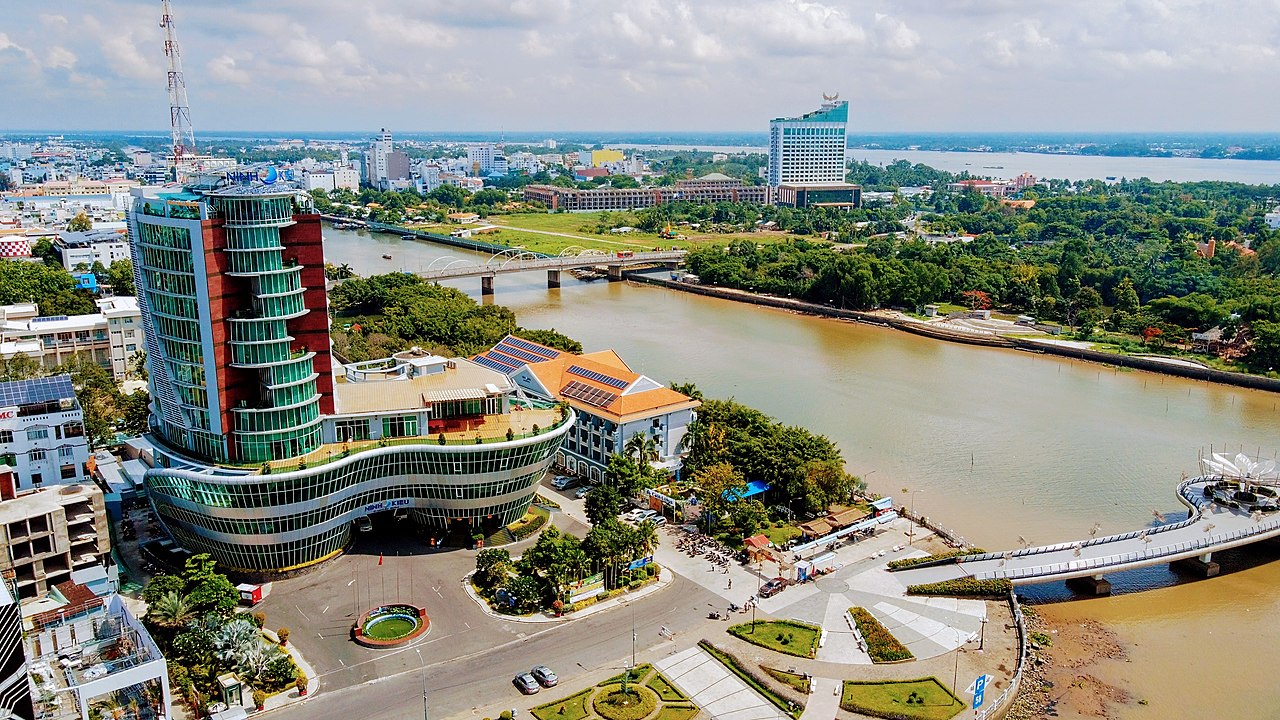
- Ninh Kieu waterfront district
- Useful preparation
- Written hotel address and offline translation app
Frequently asked
- Is Can Tho safe to visit at night?
- Can Tho is reasonably safe at night compared to other Southeast Asian cities, but it is less vibrant than daytime. Stick to well-lit areas in Ninh Kieu, use Grab for transport, and avoid walking alone in unfamiliar neighborhoods after 10 PM. Most tourist activities and dining wind down by late evening, so there is limited reason to be out very late.
- Do I need travel insurance for Can Tho?
- Travel insurance is strongly recommended for any Vietnam visit, including Can Tho. It should cover medical evacuation, as Can Tho's medical facilities are basic compared to international standards. Insurance is inexpensive and protects against unexpected accidents, illness, or scooter incidents.
- Is it safe to take a Mekong boat tour?
- Mekong boat tours with established operators are generally safe and popular with tourists. Always verify that life jackets are available before boarding, confirm the operator is licensed, and book through your hotel or recognized tour companies rather than street vendors.
- What should I do if I feel unsafe?
- Contact your hotel staff immediately—they can call local police (113) or arrange safe transport. The Tourist Police operate in central areas and generally assist travelers. Keep your embassy or consulate contact information available. For serious emergencies, call 115 for ambulance services.
- Are there areas of Can Tho I should avoid?
- Can Tho has no neighborhoods considered off-limits for tourists. However, exercise caution in quiet areas far from the city center, particularly after dark. The floating markets are safe during operating hours but less secure late evening. Stick to well-traveled zones and areas frequented by other tourists.
- Is it safe to use ATMs in Can Tho?
- Yes, ATMs at banks and in busy commercial areas are safe to use. Withdraw cash during daytime when possible, use machines inside banks rather than street-side ATMs, and cover the keypad when entering your PIN. Avoid using ATMs in isolated areas late at night.
Quick facts
- Can Tho's Mekong Delta location makes it a slower-paced alternative to Ho Chi Minh City with lower petty crime rates.
- Pickpocketing occurs primarily in floating markets and crowded public transport during peak daytime hours.
- Unofficial taxis and cyclo operators frequently overcharge tourists; Grab ride-hailing provides GPS-tracked fares.
- Scooter rental carries elevated accident risk; helmets are legally mandatory and recommended for all riders.
- Tap water in Can Tho is not reliably safe; bottled and filtered water are widely available and inexpensive.
- Street food is generally safe when cooked fresh at busy stalls with high turnover and direct customer service.
- Ninh Kieu waterfront district is the safest and most tourist-friendly base for staying in Can Tho.
- English proficiency in Can Tho is lower than in Hanoi or Ho Chi Minh City; written directions assist navigation.
- Medical facilities in Can Tho are basic; travel insurance with evacuation coverage is recommended for all visitors.
- Tourist Police operate in central Can Tho and assist visitors; emergency police contact is 113.