Neighborhoods · Can Tho
Can Tho neighborhoods: where to stay
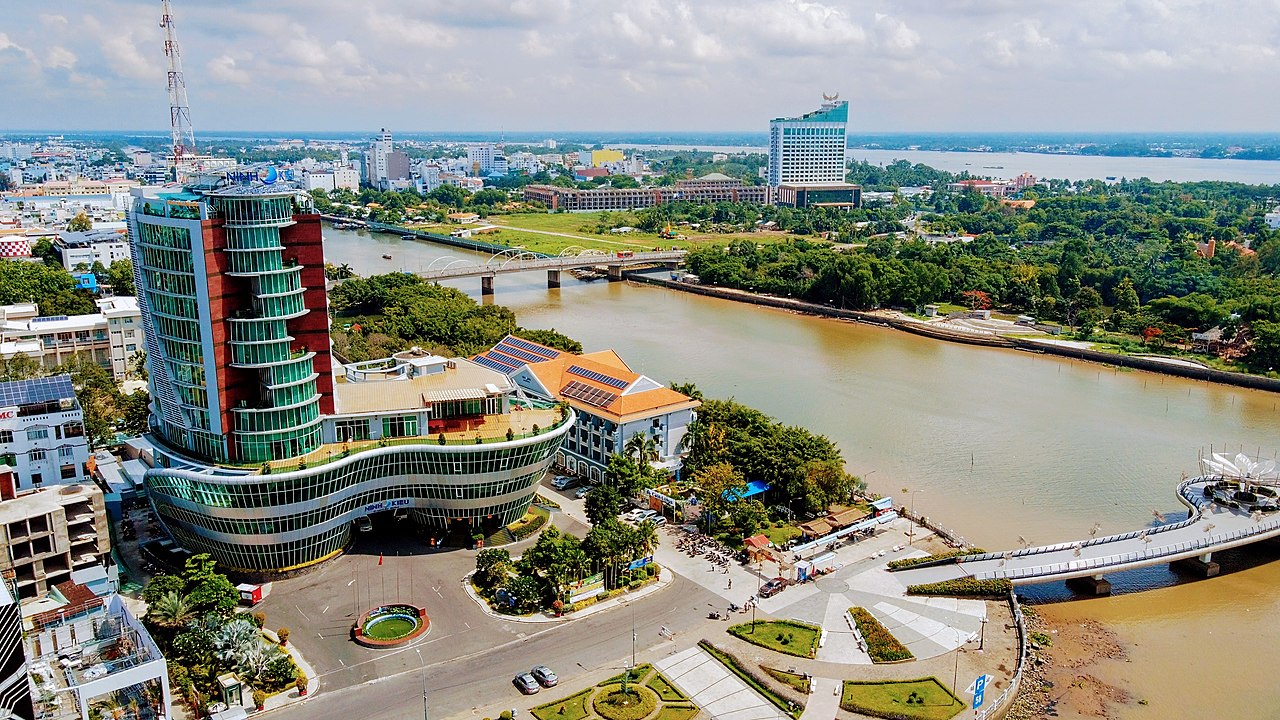
Can Tho, Vietnam's largest city in the Mekong Delta, organizes itself around the Hau River rather than distinct historic districts. Unlike Hanoi or Ho Chi Minh City, Can Tho's neighborhoods are defined by proximity to water-based commerce, market activity, and recent urban development. Most visitors base themselves within walking distance of Ninh Kieu District, the administrative and tourism hub where floating markets, riverside cafes, and boat tours depart. The city's layout—with neighborhoods radiating from the river—means your choice of where to stay directly determines how you experience Can Tho's agricultural markets, food culture, and Mekong life.
Ninh Kieu District: city center and main tourist zone
Ninh Kieu is Can Tho's most developed and visited neighborhood, centered on the Hau River waterfront. The district houses government offices, hotels, restaurants, and the main departure point for early-morning boat tours to floating markets. Pham Ngu Lao Street runs parallel to the water and hosts most international-standard accommodation and dining. This is where you'll find reliable internet, ATMs, and English-speaking staff. The neighborhood suits business travelers, families, and first-time visitors to Can Tho who prioritize convenience and proximity to major tours. The main trade-off is higher prices and less authentic local experience compared to neighborhoods further inland. Early mornings see intense market activity along the water's edge before tour boats depart.
- Main district
- Administrative and tourism center
- Best for
- Convenience, tours, families
- Proximity
- Walking distance to floating markets
- Accommodation range
- Budget to upscale hotels
Can Tho Central Market area: budget shopping and street food
Can Tho Central Market (Con Market) anchors a dense, working-class neighborhood inland from the river. This area pulses with wholesale produce, textiles, and local commerce from dawn through early afternoon. Small hotels, guesthouses, and food stalls cluster around and within the market—prices are 30–50% lower than Ninh Kieu. The neighborhood suits budget travelers, food adventurers, and those seeking genuine market atmosphere over tourism infrastructure. Expect narrow lanes, motorbike congestion, and minimal English signage. Public transport connections are reliable; the market itself requires no booking and changes daily. The trade-off is noise, early-morning activity disruption, and distance from riverside atmosphere.
- Anchor
- Con Market wholesale hub
- Best for
- Budget travelers, food explorers
- Price range
- Budget guesthouses, street food
- Peak activity
- 5 AM–2 PM daily
Binh Thuy District: historic riverside, quieter pace
Binh Thuy lies south of central Can Tho and historically served as a colonial-era port and merchant quarter. The neighborhood retains older shop-houses, quieter streets, and a small-town atmosphere despite being within the city limits. The Hau River runs along its western edge, with local fishing boats and agricultural transport more visible than tourist vessels. Binh Thuy suits travelers seeking calm, cultural immersion, and lower costs without sacrificing access. A few boutique hotels and homestays have opened here in recent years, catering to visitors interested in Vietnamese daily life rather than curated experiences. Proximity to the river and local food vendors is a strength; limited nightlife and fewer English-language services are trade-offs. Motorbike or short taxi rides connect to Ninh Kieu's tours in 10–15 minutes.
- Character
- Historic port, quieter, residential
- Best for
- Cultural immersion, slower pace
- River access
- Local fishing, agricultural transport
- Distance to center
- 10–15 min by motorbike
Cai Ran: agricultural and working waterfront
Cai Ran district, on the far bank of the Hau River, is largely residential and agricultural, with less tourism infrastructure than central Can Tho. The neighborhood is accessible by bridge and offers views of working gardens, orchards, and waterborne commerce. Small family-run eateries and homestays cater to adventurous travelers and agricultural-tourism enthusiasts. Cai Ran suits those researching Mekong farming, seeking deep immersion, and comfortable with minimal English or tourist amenities. The neighborhood is significantly quieter and cheaper than Ninh Kieu; the main drawback is isolation from organized tours and central services. Reaching floating markets requires your own transport or guide arrangement.
- Setting
- Agricultural, residential, far bank
- Best for
- Adventurers, agricultural interest
- Atmosphere
- Working farms, quiet, local
- Accessibility
- Requires own transport or guide
An Khanh: emerging residential and dining
An Khanh is an increasingly developed neighborhood north of central Can Tho, with new apartment blocks, local restaurants, and a growing young professional population. The area sits inland from the river and has fewer obvious tourist connections but good local food culture and authentic Vietnamese street life. An Khanh suits mid-range travelers, those planning longer stays, and visitors interested in contemporary urban Vietnam beyond the tourist trail. New hotels and hostels have emerged here, offering comfortable mid-range pricing. The trade-off is distance from the river and floating markets; you'll need motorbike or taxi transport for most tourist activities. Local food quality is high and prices are fair.
- Character
- Residential, developing, modern
- Best for
- Mid-range, longer stays, food
- Facilities
- Restaurants, local shops, apartments
- Cost
- Mid-range, fair local pricing
Frequently asked
- Which neighborhood is best for early-morning floating market tours?
- Ninh Kieu District is essential for floating market access. Tour boats depart from the riverfront here between 5:00–7:00 AM. Staying in Ninh Kieu or nearby allows you to walk to the dock; staying elsewhere requires a pre-arranged pickup, adding cost and complexity.
- Where is cheapest and most authentic to stay in Can Tho?
- Can Tho Central Market area offers the lowest prices and most working-local atmosphere. Small guesthouses rent for $10–20/night around Con Market. Expect early-morning noise, motorbike density, and basic English. The experience is authentic but may feel chaotic for first-time travelers.
- Is it safe to stay outside Ninh Kieu District?
- Yes. All main Can Tho neighborhoods are safe for travelers. Binh Thuy and An Khanh are residential and quiet. Cai Ran is rural and quiet. The market area is crowded and can be disorienting but not unsafe. Local police presence is standard.
- Can I reach floating markets from Binh Thuy or Cai Ran?
- Yes, but less conveniently. You can arrange private boat tours from these neighborhoods or take a short motorbike to Ninh Kieu's docks. Expect to pay more for private tours and lose the early-morning-departure convenience.
- What's the best neighborhood for food and street eating?
- Can Tho Central Market area is unmatched for authentic, cheap street food and local restaurants. Ninh Kieu and An Khanh also have good food scenes but with more tourist markup. The market area puts you directly in working-food culture.
Quick facts
- Can Tho is the largest city in the Mekong Delta region, with a population centered around Hau River commerce.
- Floating market boat tours depart from Ninh Kieu District's riverfront between 5:00 and 7:00 AM daily.
- Can Tho Central Market operates as a wholesale hub with peak activity from 5:00 AM to 2:00 PM.
- Accommodations in the market district typically cost 30–50% less than Ninh Kieu hotels.
- Binh Thuy District retains colonial-era architecture and functions as a quieter residential alternative to central Can Tho.
- Cai Ran District, across the Hau River, is primarily agricultural and requires private transport for tourist activities.
- An Khanh is an emerging neighborhood north of central Can Tho with new mid-range hotels and strong local food culture.
- Motorbike transport between Can Tho neighborhoods typically takes 10–20 minutes depending on traffic.